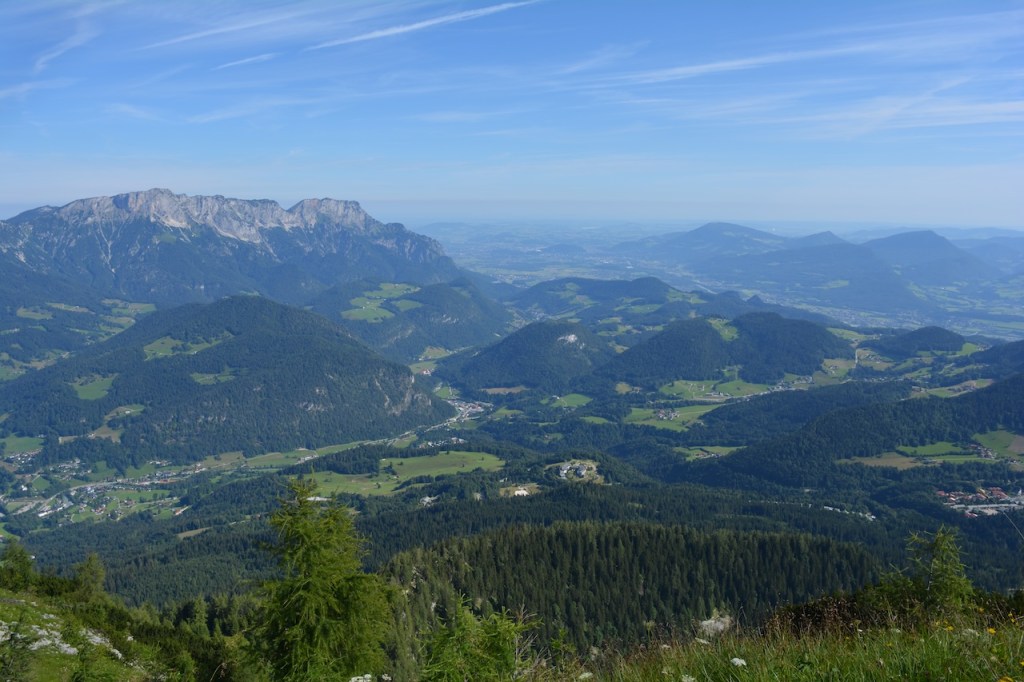
The History and Legacy of Hitler’s Berghof and the Nazi Complexes at Obersalzberg
– A ww2stories.org Exclusive –
Join Ross J. Robertson and Dr Konstantinos Giannakos for Part II of this exclusive ww2stories.org series on Hitler’s Bavarian retreat. Explore the history of the Berghof and Obersalzberg, once central sites of Nazi power, and uncover how these infamous locations compare to what remains today.
The Obersalzberg region in Bavaria, Germany, is deeply intertwined with WWII history due to its close ties to Adolf Hitler and the Nazi regime. Set amidst the stunning Bavarian Alps, this scenic area harbours a dark legacy, where the beauty of the landscape was tainted by the oppressive activities of the Third Reich. From Hitler’s imposing mountain residence, the Berghof, to the Kehlsteinhaus (Eagle’s Nest), intricate tunnel systems, and even the Berchtesgaden railway station, Obersalzberg served as a hub of Nazi power — an unofficial Reich Chancellery. Today, these locations remain as solemn reminders of that notorious period. While the Eagle’s Nest has since become a tourist attraction, all now serve as places of education and reflection. This second part of a two-part ww2stories.org exclusive explores the history and legacy of these infamous sites, contrasting their wartime significance with their current state.
The Nazi Complex at Obersalzberg
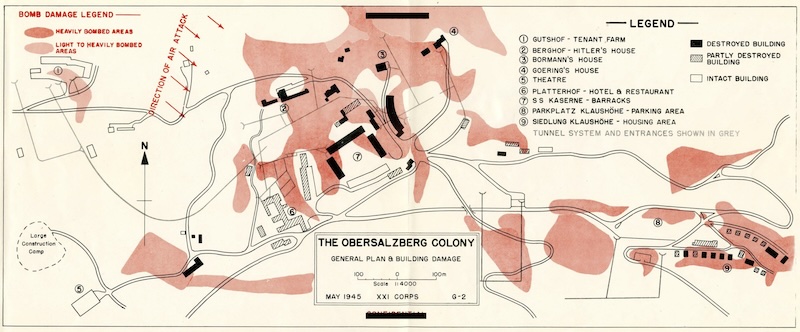
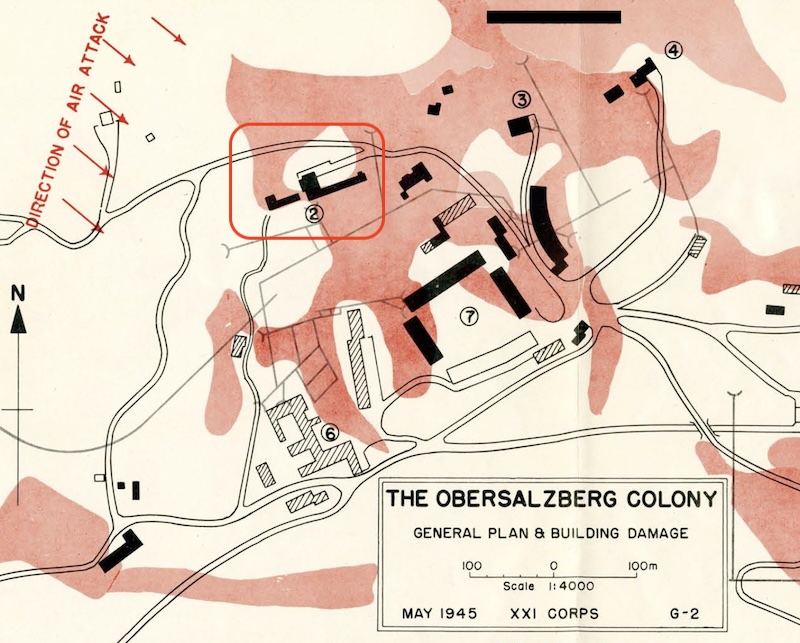
The Obersalzberg area was transformed into a fortified complex during the Nazi regime, largely under the direction of Martin Bormann, who held immense power as Hitler’s private secretary and head of the Nazi Party Chancellery. Bormann spearheaded the development of the region, using heavy-handed tactics to buy out or forcibly remove local residents. Prominent Nazi figures, such as Hermann Göring and Albert Speer, also established their homes nearby. The area featured extensive facilities, including a cinema, a school, SS barracks, and an underground shooting range. Most of the original structures were demolished to make way for this new development.

Built in 1938, the Kehlsteinhaus, or Eagle’s Nest, perched atop the Kehlstein mountain, was reportedly a gift to Hitler on his 50th birthday. It served as a retreat and meeting place for high-ranking officials and was the crowning achievement of the redevelopment of the Obersalzberg area (for the exclusive ww2stories.org article on The Eagle’s Nest, click here).
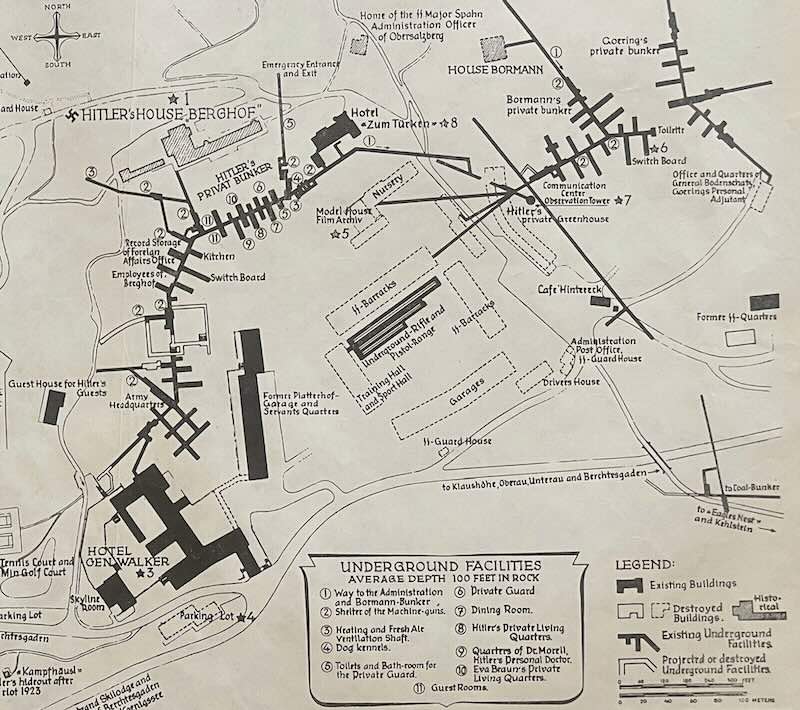
However, it was not the last major construction project. Following Allied bombing raids of Munich in 1943, Martin Bormann initiated the construction of an extensive network of tunnels beneath the Obersalzberg. These tunnels, some of which were never completed, connected most of the major buildings in the area and included ventilation and power systems, heating ducts, water pipes, and electrical cables. They housed not only bunkers and a command centre but also facilities for communication and storage, enabling the Nazi leadership to maintain operations, even if Berlin fell.
Surprisingly, not all structures at Obersalzberg were directly subordinate to the Nazi leadership. According to a US Army report titled ‘Hitler’s Mountain Retreat’ by the Headquarters XXI Corps, Office of the Assistant Army Chief of Staff, dated 28 May 1945: “About the only spot touched by human kindness was a hospital that accommodated 500 sick and bombed-out children. It consisted of 50 well-built brick buildings, with each house featuring a playroom, bedroom, and bathroom, furnished with children’s furniture. Everywhere, there were pictures of Hitler in various poses, ensuring that no child could possibly forget their benefactor.”
The report continues: “Unfortunately, the hospital was hit during the bombardment. Although none of the children were killed, nurses reported that some were wounded before they could be evacuated to the tunnels. They were subsequently relocated before Obersalzberg was captured.”
The Obersalzberg Tunnel Network
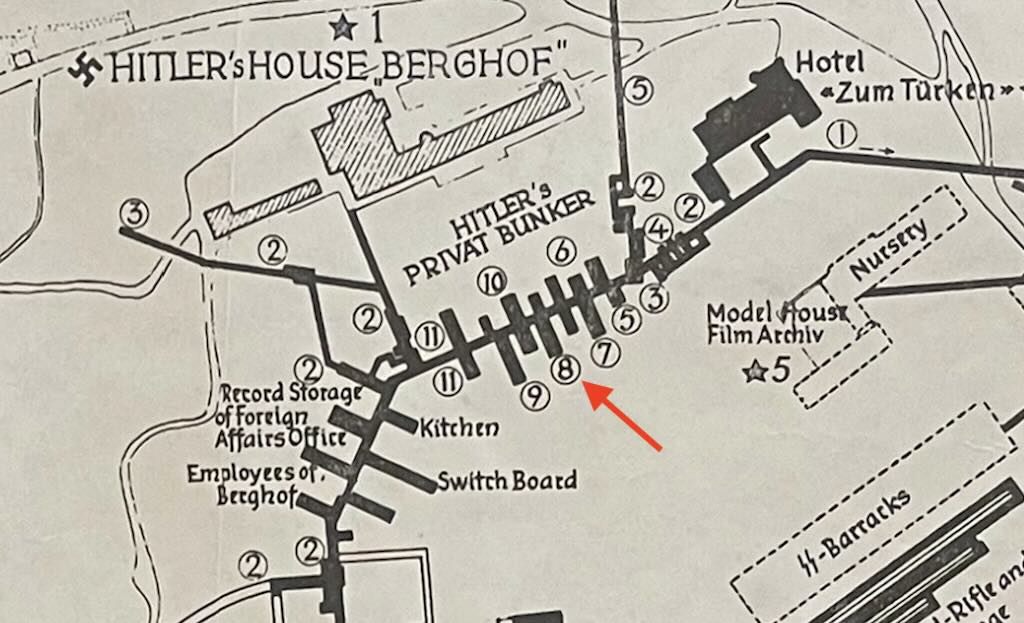
According to the same US Army report, these underground shelters were far more elaborate than the standard emergency bunkers typically found across Europe. Unlike the simple air-raid shelters that featured “benches or bunks” for temporary refuge, the Obersalzberg bunkers were a “maze of arched connecting tunnels” leading to fully furnished apartments, deep within the mountain.
“All of the Obersalzberg buildings were equipped with air raid shelters, which had entrances either in the basement of the buildings or nearby. These shelters consisted of a network of arched connecting tunnels that extended deep into the mountain’s rock, serving as corridors to spacious apartments.” – US Army Report.

Source: US Army
These shelters were designed not just as temporary protection from air raids but for long-term living, with modern amenities. For example, Hitler’s bunker contained apartments for his staff that were “dry, electrically heated and lighted, and comfortably furnished.” The tunnel system essentially formed a self-contained underground community, with advanced communication facilities. The report detailed rooms dedicated to telephone operations, including a “60-plug local switchboard” and a long-distance communication panel, supported by a network of storage batteries. There were also numerous storage rooms stocked with essential and even luxury items, such as “hand-painted china, vacuum cleaners, furniture, wines, and even Christmas tree decorations.” Notably, a 10-foot telescope was discovered lying in its shipping box within the tunnels.
In addition to communication and storage facilities, the tunnels also housed medical services. The US Army Report highlights a “fully equipped clinic with an operating room” and a dental clinic furnished with brand-new equipment. A barbershop was located beneath the SS barracks, adding to the sense that the tunnel system was equipped for every conceivable need.
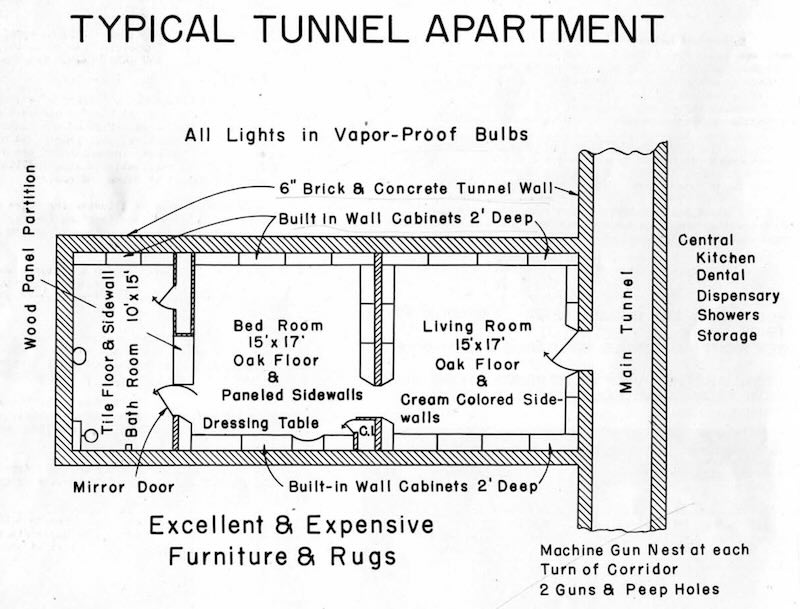
Image: US Army ©
Hitler’s personal library, also stored underground, consisted of an extensive collection of books. Most of these volumes focused on art, architecture, and military history, such as works by Kant and Machiavelli. The report notes that although the collection lacked much in the way of drama or poetry, there were close to “4,000 phonograph records” stored nearby, with multiple copies of each. Hitler’s musical library reflected his preferences, with records of Wagner and Beethoven dominating the collection – especially Wagner’s Tannhäuser, which the report suggests was a favourite.
Eva Braun’s bunker had “oak floors and polished cabinets”
Eva Braun, Hitler’s mistress, had her own luxurious apartment within the tunnel system. According to the report, her living quarters featured “oak floors and polished cabinets” filled with personal items such as books, knitting supplies, and dishes. Her bedroom was furnished with “a single bed covered in blue chintz,” a dressing table with a three-sided mirror, and closets built into the walls. The space was designed with a high degree of comfort and refinement not found in normal wartime bunkers.
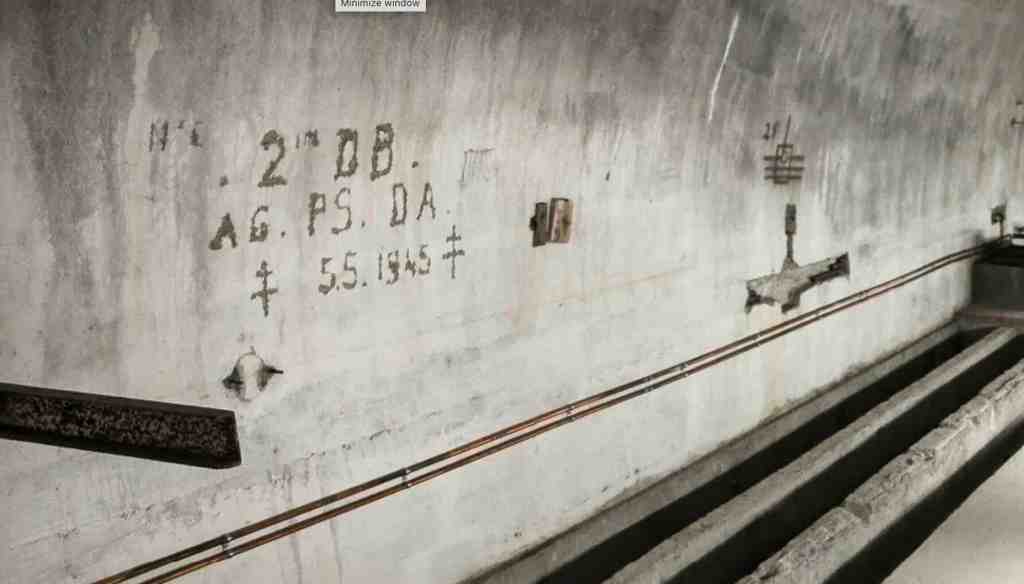
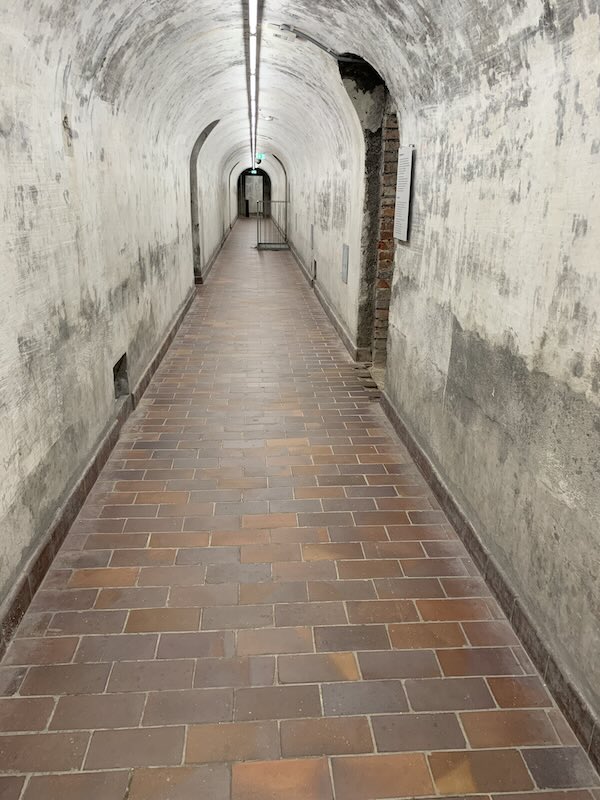
The underground complex extended beyond Hitler and Braun’s quarters. Tunnels connected Hitler’s shelter to Göring’s, as well as to the SS barracks. The latter contained stockpiles of provisions, including “bags of rice, wheat, dried peas, and loose ammunition,” the report states. These living quarters were heavily fortified, with concrete chambers and underground pillboxes equipped with machine gun positions to defend the entrances and the zigzagging corridors.

The US Army report offers details of the tunnels themselves. “Within a short distance of the apartment in Hitler’s tunnel, further construction into the mountain was underway. Shafts were being sunk to lower levels, tunnels were being driven, and chambers were being carved out. At these locations, it was possible to observe the construction methods and materials being used.” The report goes on to say that building the network involved blasting a hole roughly 17 x 20 feet (5.18 x 6.10 m). The jagged sides were then reinforced with especially strong concrete. Inside this, 4 inches (10.16 cm) of brick were laid, followed by a 0.25-inch (0.64 cm) waterproofing mat cemented to the surface. An additional 12 inches (30.48 cm) of brick were added, finished with a 0.5-inch (1.27 cm) layer of plaster cement, and a thin coat of whitened cement. A concrete floor, 16 x 18 inches (40.64 x 45.72 cm) thick, was laid, separating the main tunnel from a lower section for pipes and wires. Once completed, the main corridor of each tunnel measured approximately 6 x 8 feet (1.83 x 2.44 m) and was equipped with vapour-proof electric fixtures.
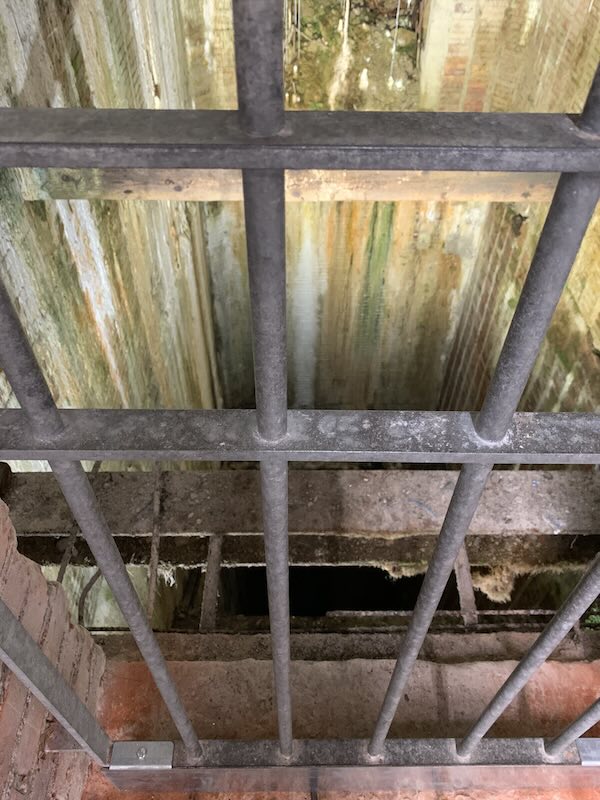
A visit to the Platterhof tunnel and bunker system offers a glimpse into the unfinished Nazi tunnel network. Entering through a newly built access tunnel, one can explore areas where emergency engines were meant to power the complex and see unarmed machine gun positions guarding the stairs to the long-gone Platterhof Hotel. Side tunnels reveal chambers and dead ends where construction stopped. In one room, a rusted safe once holding Nazi documents lies on its side. The most chilling feature is a 30 metre (100 ft) deep elevator shaft, disappearing into darkness, rumoured to connect to deeper SS tunnels, evoking both mystery and awe.
The Obersalzberg tunnel system was not merely a protective measure; it was an underground stronghold that reflected the opulence and self-sufficiency the Nazi elite expected. Even as the war came to an end, and the Allied forces advanced, the extensive infrastructure hidden beneath the Bavarian Alps remained a stark reminder of the resources and planning dedicated to the Nazi regime’s survival.
Bombing the Obersalzberg
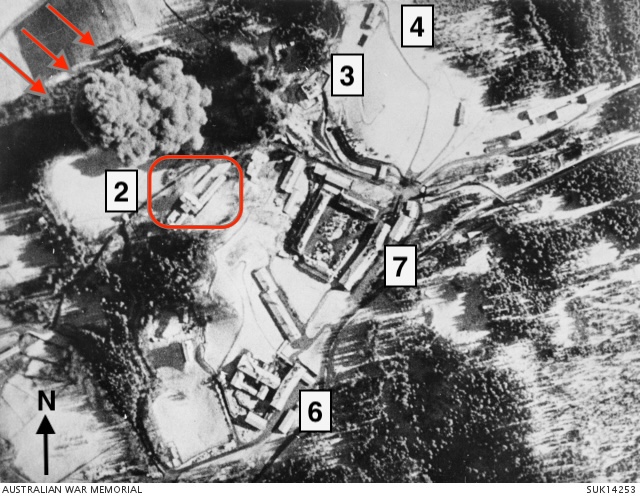
On 25 April 1945, the Royal Air Force (RAF) launched a decisive bombing raid on Obersalzberg to overwhelm the key Nazi stronghold in the Bavarian Alps. A substantial number of Lancaster bombers targeted major structures, including Hitler’s Berghof, Göring’s villa, the SS barracks, and various administrative buildings. The Berghof (click Hitler’s Paradise Pt 1 here for more information) was heavily damaged, Göring’s villa – home to valuable art collections – was destroyed, as was Bormann’s house. Other key buildings, such as the Platterhof Hotel, also sustained significant damage. The Reichssicherheitsdienst (Reich Security Service – RSS) headquarters at the former Hotel zum Türken, along with the SS barracks and several ancillary structures, were reduced to ruins, crippling local Nazi military operations.
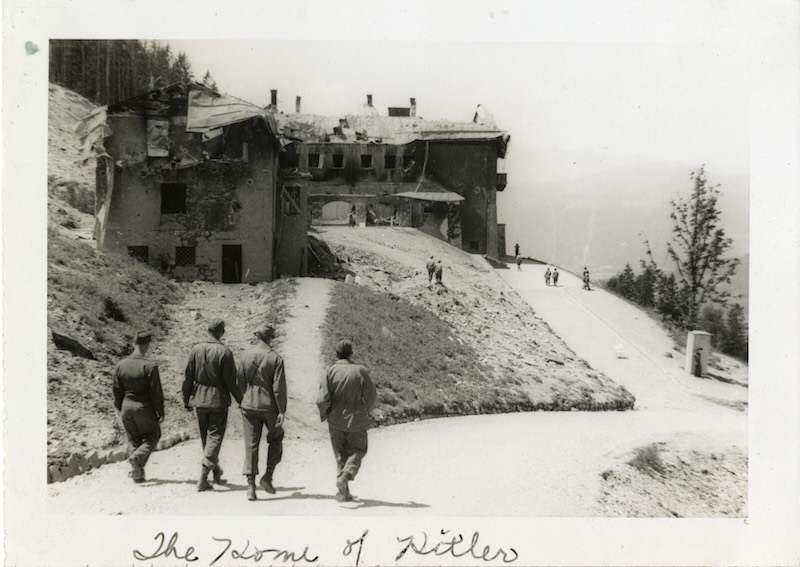

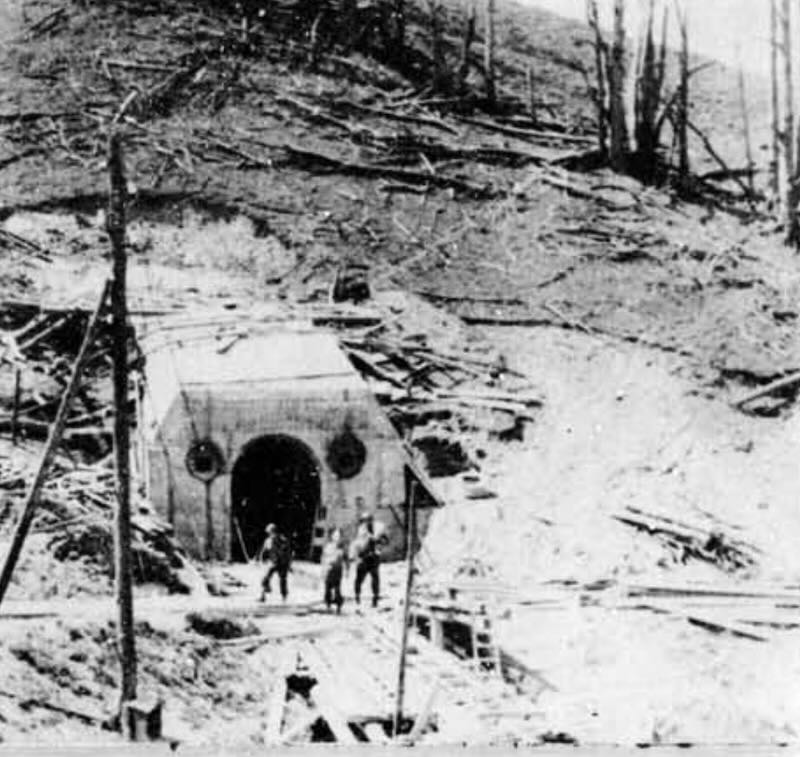
Hitler, of course, was holed up in the Führerbunker beneath the New Reich Chancellery in the Mitte district of Berlin; only Göring was in the area at the time of the bombing. Although the underground tunnel system protected Nazi personnel during the raid, it was soon abandoned as the RSS and SS dispersed, knowing the US military was advancing. Their dispersal marked the effective collapse of Obersalzberg as a Nazi power base, with many remaining personnel also fleeing in the face of the Allied advance. The RAF bombing not only destroyed critical infrastructure but symbolised the fall of Obersalzberg as the Third Reich continued to crumble in the closing days of the war.
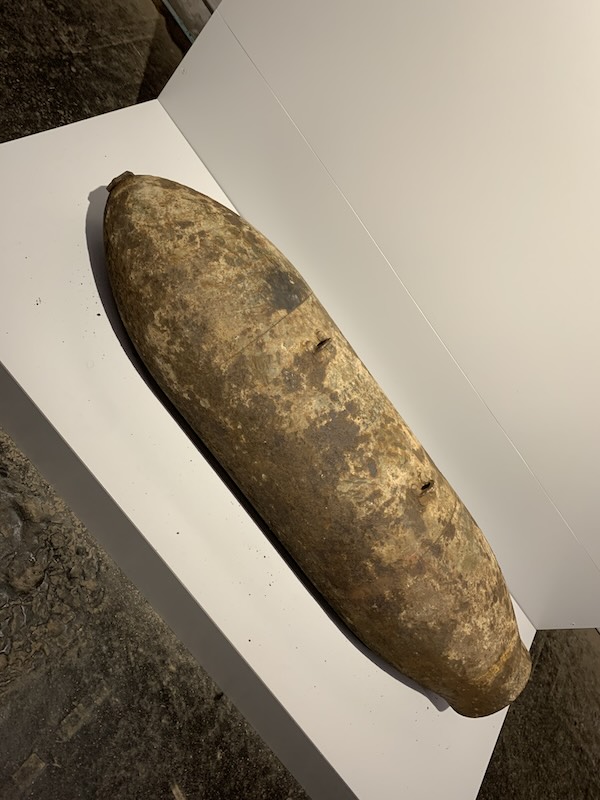
The Obersalzberg Today
The RAF raid in 1945 devastated most of the Nazi-era buildings at Obersalzberg, which were later demolished in the early 1950s to erase the remnants of these notorious sites. The US Army occupied the area until 1995, rebuilding some structures, including the Platterhof Hotel (renamed Hotel General Walker), and transforming the site into a recreation area for American soldiers stationed in Europe, complete with a ski lift and golf course. More recently, the Kempinski Hotel complex has been constructed in the area, with its expansive grounds now covering the space where the SS barracks and parade ground once stood.
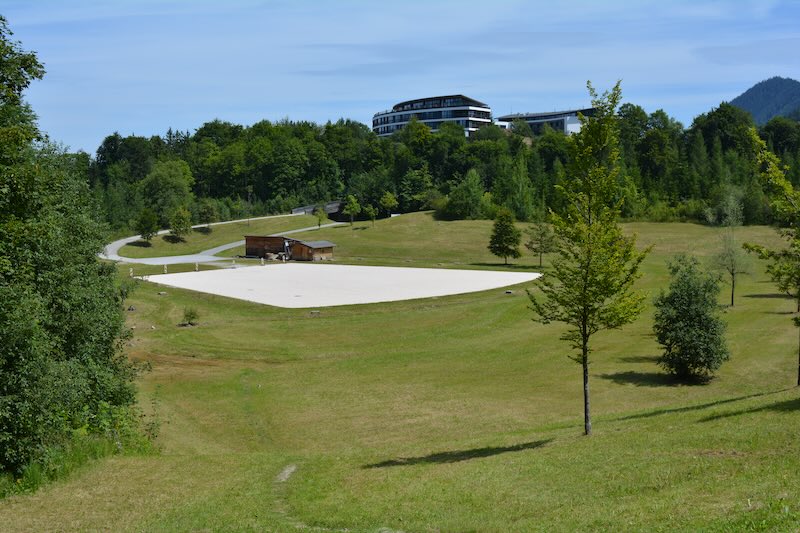
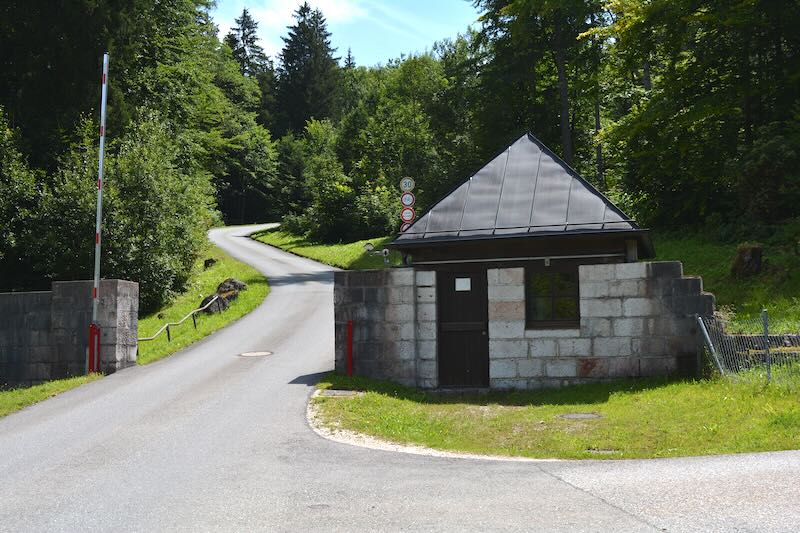
Source: RJR (Author)©
The Kehlsteinhaus, famous for its ‘golden elevator’, remains intact and has been converted into a restaurant and tourist attraction, offering breathtaking views of the Alps. The Documentation Center Obersalzberg, established in 1999 on Hitler’s Guest House, provides visitors with comprehensive information about the site’s history and the atrocities of the Nazi regime. It also offers access to parts of the tunnel system, making it a must-see for those interested in WWII history.
Berchtesgaden
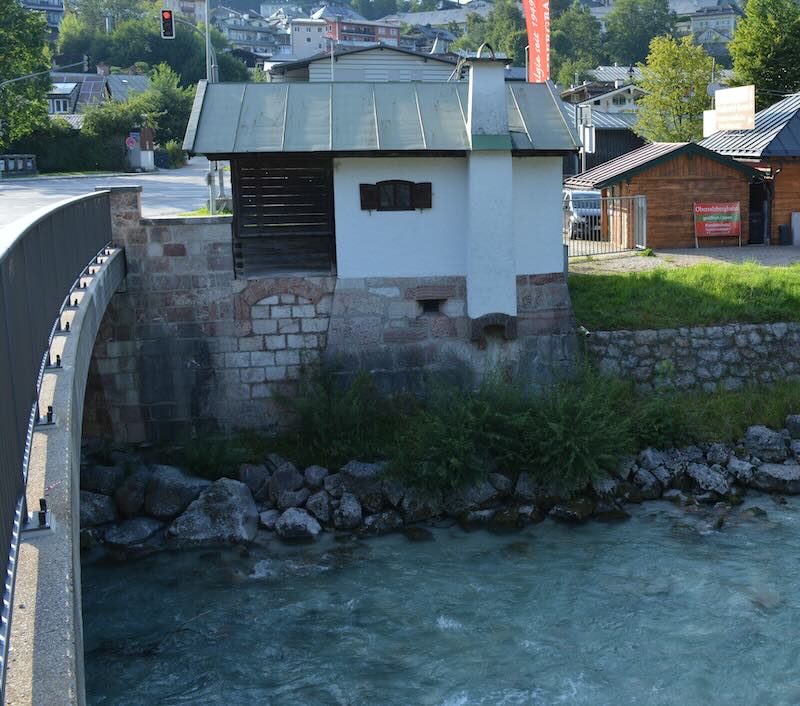
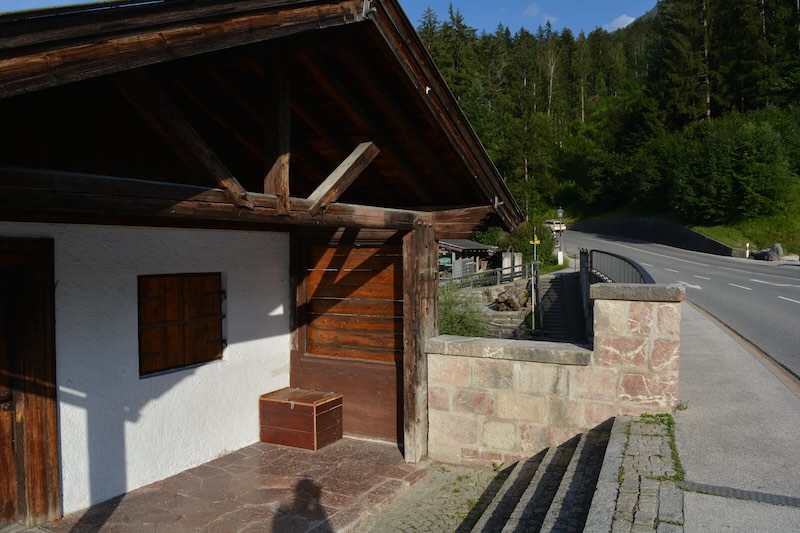
Berchtesgaden, a picturesque town nestled in the Bavarian Alps, played a pivotal role during WWII because of its proximity to Adolf Hitler’s Berghof and the Obersalzberg. The scenic landscape of Berchtesgaden, featuring mountain vistas and lush forests, provided a perfect backdrop for the Nazi elite. As the Obersalzberg became increasingly central to Nazi leadership for discussions about military strategy and political affairs, Berchtesgaden evolved into a vital logistical hub, responsible for supplying essential resources to sustain operations on the mountain.
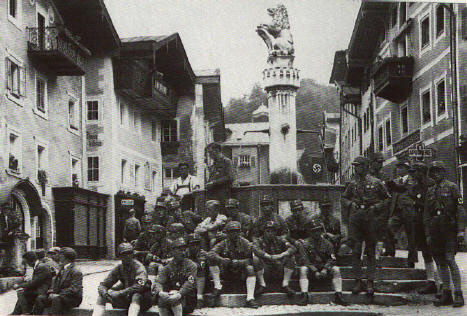

Source: RJR (Author)©.
The town’s infrastructure was well-developed, featuring extensive transportation networks that facilitated the movement of a diverse array of goods to the Obersalzberg. This included everything from food and everyday necessities to luxury items demanded by Hitler and other high-ranking Nazi officials. Berchtesgaden’s railway station served as a crucial transit point, enabling the efficient delivery of supplies, which were essential for the lavish lifestyle maintained by Nazi leaders in their mountain hideaway. Of the local townspeople, the US Army report of 28 May 1945 commented: “They were quite certain about when Hitler was on the mountain [Obersalzberg] and when he left, especially during his heyday. His visits were almost always preceded by purchasing agents who would buy up every delicacy and nearly all other edible goods in town.”
Source: RJR (Author)©
In addition to material supplies, Berchtesgaden played a critical role in providing personnel. Many domestic staff members, including cooks, housekeepers, and gardeners, were sourced locally or transported to Berchtesgaden from other regions – this influx of workers ensured that the high standards of service expected by the Nazi elite were met. Construction labourers and maintenance workers were also mobilised through Berchtesgaden to assist with ongoing projects, including the expansion of underground tunnels and bunkers and the maintenance of luxurious living spaces.
The strategic importance of Berchtesgaden extended beyond logistical support. The town itself became a symbol of the Nazi regime’s ambitions, attracting pre-war tourists and party members alike who were eager to witness the grandeur associated with Hitler’s power and lifestyle. It was also the site of various propaganda efforts aimed at bolstering the regime’s image, with local resources being utilised to showcase the might and cultural superiority of Nazi Germany.
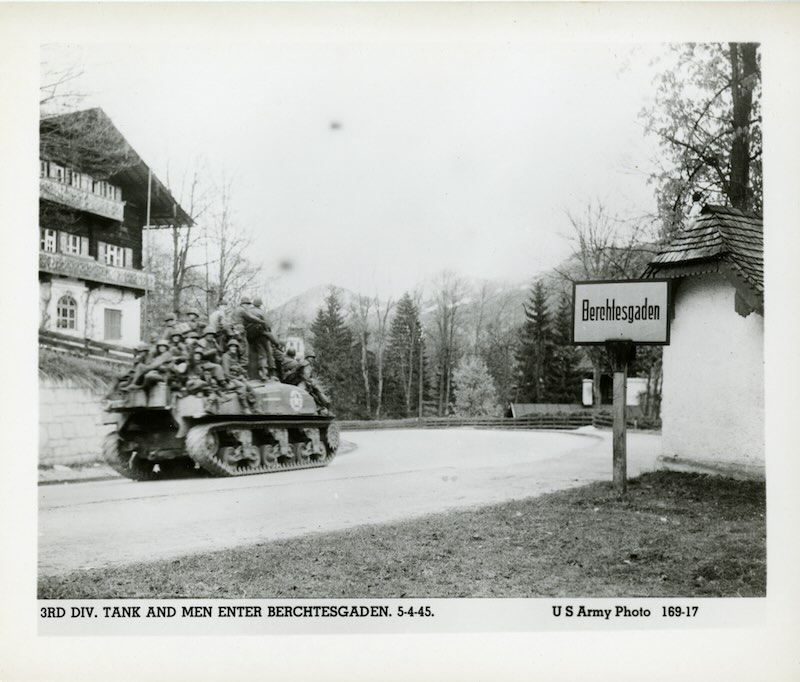

During the later part of the war, Berchtesgaden’s connection to the Nazi leadership made it a target for Allied forces. Despite this, the town managed to escape extensive destruction compared to the Obersalzberg, which was heavily bombed in April 1945. The Allied focus on the Obersalzberg’s strategic infrastructure – such as the extensive tunnel systems – resulted in less damage to Berchtesgaden itself, allowing it to retain much of its historical architecture and charm.
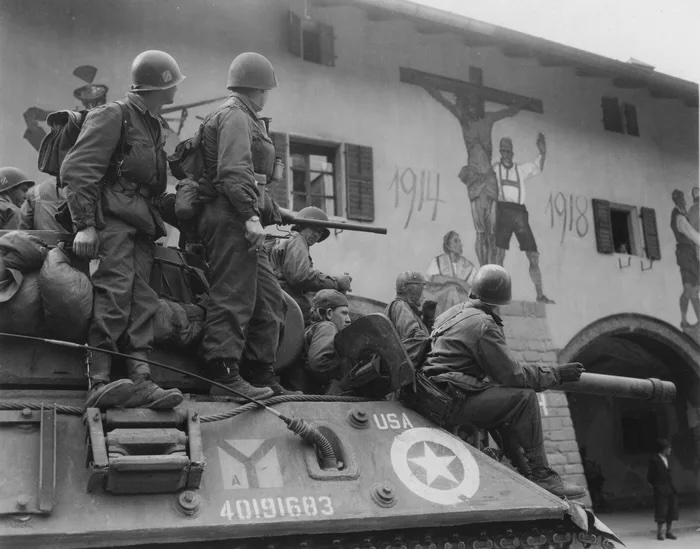

Following the war, Berchtesgaden underwent significant changes as it transitioned from a town associated with the Nazi regime to a place of tranquil Bavarian serenity. Its idyllic surroundings have since made it an important tourist destination, independent of its historical role during the Nazi era.
The Berchtesgaden Railway Station
Originally opened in 1888, the Berchtesgaden Hauptbahnhof (Central Railway Station) underwent significant expansion and modernisation during the Nazi era to accommodate the increased traffic to Hitler’s mountain retreat at Obersalzberg. The station not only facilitated official visits but also enabled the movement of resources essential for construction projects in the area. Furthermore, its architectural design was deliberately crafted to reflect the grandeur and imposing aesthetics favoured by the regime.


The station was designed to accommodate Hitler’s personal train, the Führersonderzug (Leader’s Special Train), called ‘Amerika’. It comprised two locomotives and some 15 wagons, serving as a mobile headquarters, equipped with luxurious furnishings, communication facilities, a conference room, and two anti-aircraft flak wagons for protection. Part of the station was set aside exclusively for Hitler’s use, providing a reception area should he choose to meet a VIP at the station in person.
“His special train would always be standing in the railroad yards in the morning, lying in wait until, as secretly as it arrived in the night, it would disappear again, signalling his arrival and departure. But despite the presence of troops, Gestapo, and informers, the grapevine telegraph never failed to deliver vital local news.” This observation is noted in the aforementioned US Army report concerning the local Berchtesgaden townspeople and their distinguished visitor.


Reflecting the idiom ‘boys with their toys’, prominent Nazi officials like Hermann Göring and Heinrich Himmler regularly used the Berchtesgaden station for their own personal trains when travelling to and from the area. Göring’s train, known as ‘Asien’, and Himmler’s ‘Sonderzug Heinrich’ (Special Train Heinrich) were equally outfitted for both command and comfort.

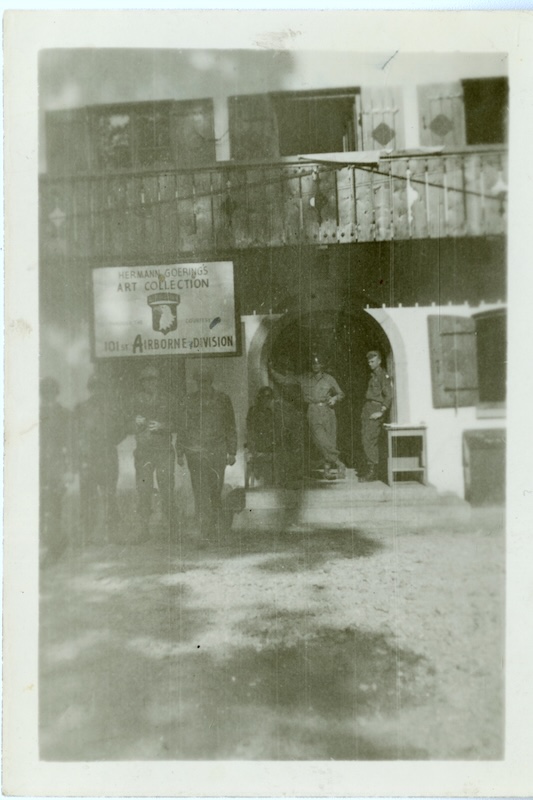
An entrance to a tunnel on the eastern side of the Berchtesgaden railway station is now fenced off. This tunnel was part of a Nazi expansion program for a railway line to Salzburg, Austria that was never completed. During the closing stages of the war, Hermann Göring, who had personally amassed vast collections of artwork and artefacts, sent trainloads of these items to various locations, including Burg Veldenstein near Nürnberg, where he had a bunker built for his most important collections. On 21 April 1945, Göring journeyed from Carinhall, his expansive estate 60 km northeast of Berlin, to Berchtesgaden in his special train, ‘Asien’. It is in this tunnel that he hid the train, which was later discovered by the Americans filled with looted art treasures.
The Railway Station Today
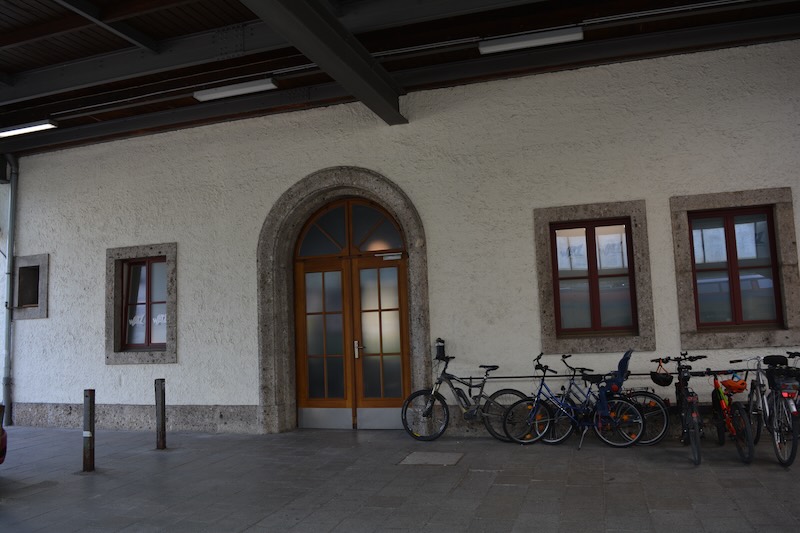
The Berchtesgaden Hauptbahnhof remains operational and serves as a gateway for tourists visiting the region. The station has retained much of its historical architecture, although modern amenities have been added to accommodate contemporary travellers, including a Burger King restaurant. On the west side, a mosaic from the Nazi era remains, although the swastika has long been chiselled off. Clues to the station’s history can also be found in the remaining ironwork. Hitler’s personal entrance still exists, though it is largely indistinguishable to those unfamiliar with the building’s historical significance. The station, which seems ridiculously large for the town it serves, stands as a testament to the area’s complex history, bridging the past and present.
Final Impressions
The history of Hitler’s Berghof, the accompanying Nazi complexes at Obersalzberg, and the neighbouring township of Berchtesgaden all serve as a stark reminder of the regime’s authoritarian power and its profound impact on both local and global history. Once a symbol of Nazi opulence and dominance, this site has undergone significant transformation since the end of WWII, evolving from a stronghold of tyranny into a place of reflection and remembrance. Today, it stands not only as a historical landmark but also as a cautionary tale about the dangers of totalitarianism and the necessity of preserving collective memory to prevent the recurrence of such atrocities in the future.
We value your opinion!
Your feedback is important to us. If you enjoyed this article and would like to see similar content, show your appreciation by clicking the ‘Claps’ icon below. Also, ensure you stay up-to-date with our latest articles by subscribing to our Newsletter. You’ll receive new posts directly to your email inbox. Thank you for your support!
‘History has to be shared to be appreciated’
Subscribe to our Mailing List. We’ll keep you in the loop.
Cover photo & other photos (unless otherwise specified): Author ©

 ww2stories