How a forgotten WWII story was brought back to life
– A ww2stories.org Exclusive –
How does a forgotten wartime story become a book? Ross J. Robertson and ww2stories.org trace the extraordinary journey behind Beaufighter Strike, from a lost journal to painstaking research, chance discoveries and the remarkable people who helped bring the past back to life.
Some wartime stories survive in the archives. Others survive in attics, forgotten journals and the memories of families who have spent decades searching for answers.
Beaufighter Strike began with one such discovery.
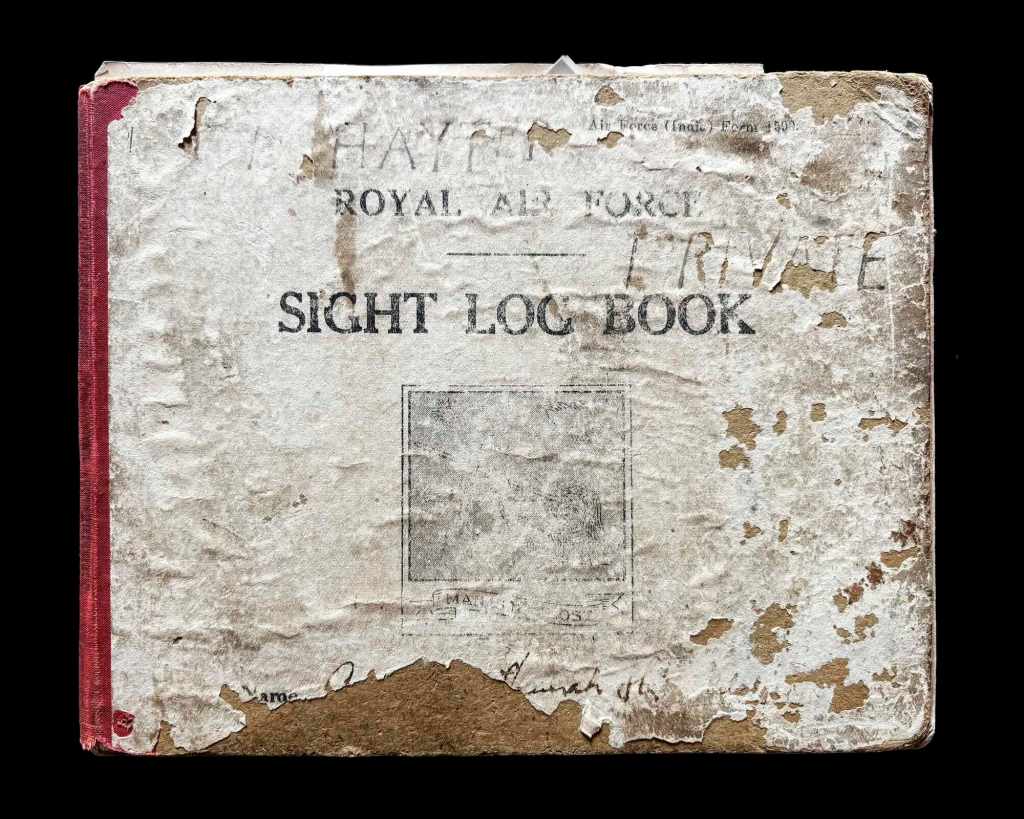
When Bill Hayter’s children, Anne, Mali, and George found their father’s long forgotten wartime logbook in an attic in France, nearly 80 years after he had written it, they uncovered something exceptionally rare: an authentic first hand account of events that are almost unimaginable today. Even more remarkably, they found a second account in a 1945 Agenda. The two versions are remarkably consistent, yet wonderfully complementary. Together, they gave me the opportunity to reconstruct Hayter’s story while preserving the poetry of his descriptions and the remarkable honesty of his inner voice.
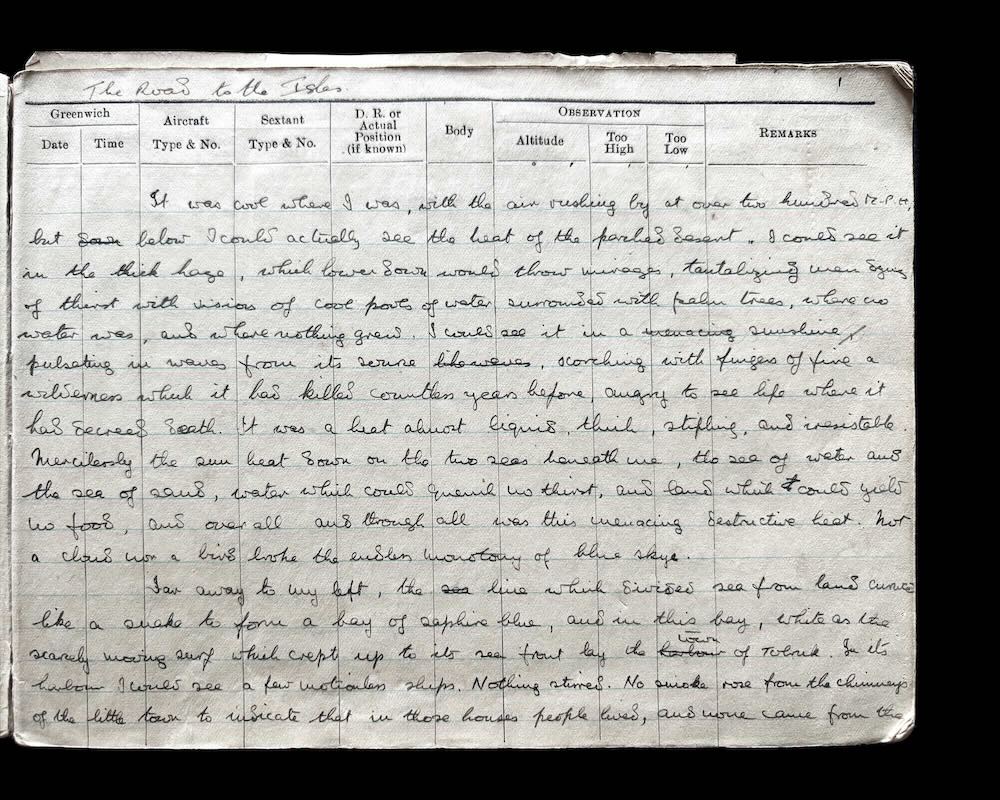
As I transcribed his words, I began to feel that I was getting to know the young pilot behind them. Hayter gives us an uncanny intimacy with his own experience of war. He describes Tom Harper, the men of the Long Range Desert Group (LRDG), and the extraordinary Greeks who helped them, but also records his thoughts, fears and observations with a directness that official records simply cannot provide.
That, for me, became the heart of the book.
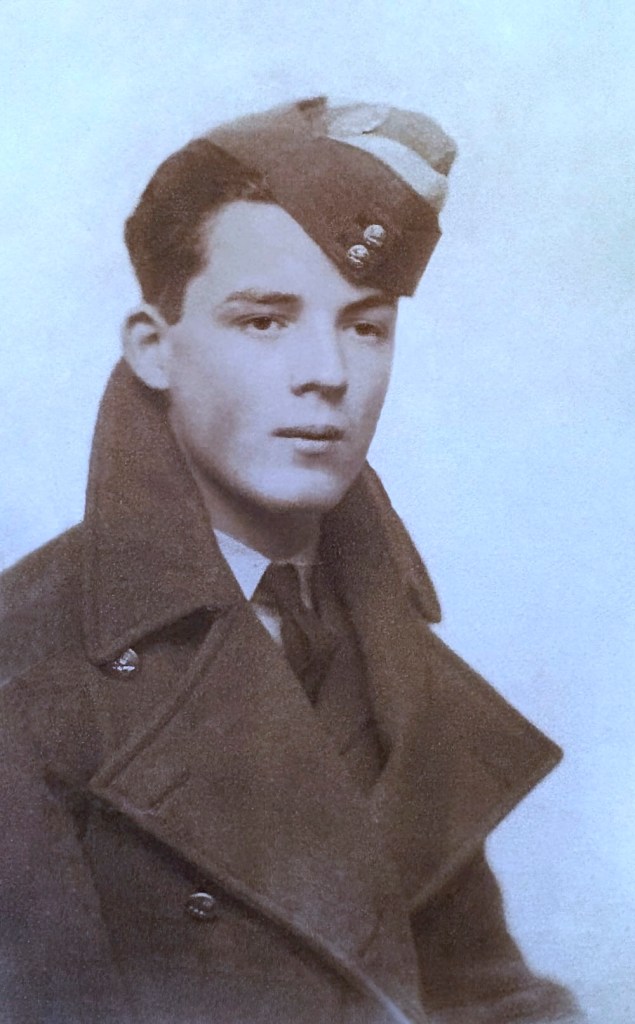
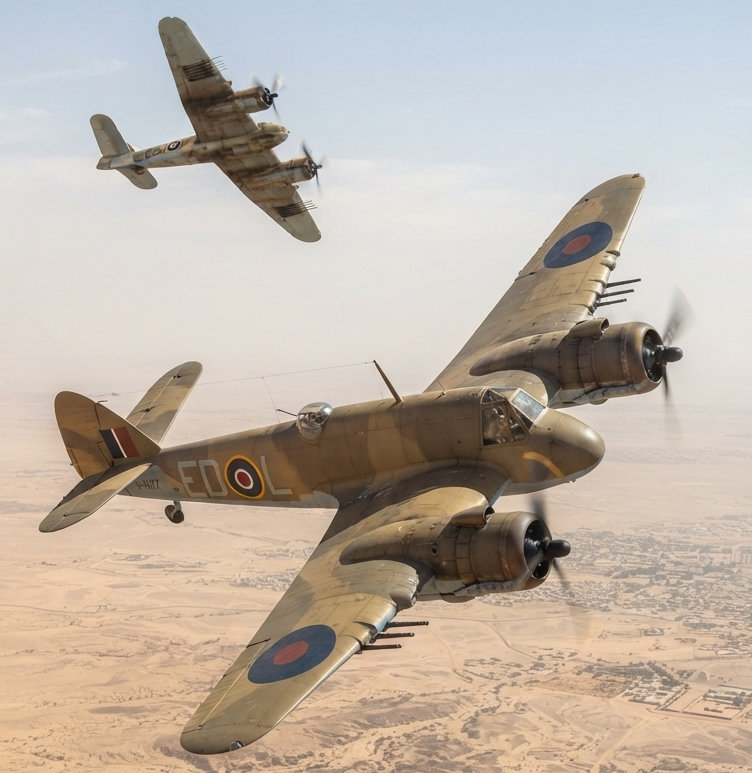
The raid itself involved two Bristol Mk X Beaufighters and two B25G gunships mounted with a modified 75mm M4 tank gun attacking Axis shipping in Naxos harbour. One B25G was shot down, killing everyone aboard. Hayter’s Beaufighter was also hit, forcing him and Harper into a desperate fight for survival that would ultimately lead them into the hands of the Greek Resistance.
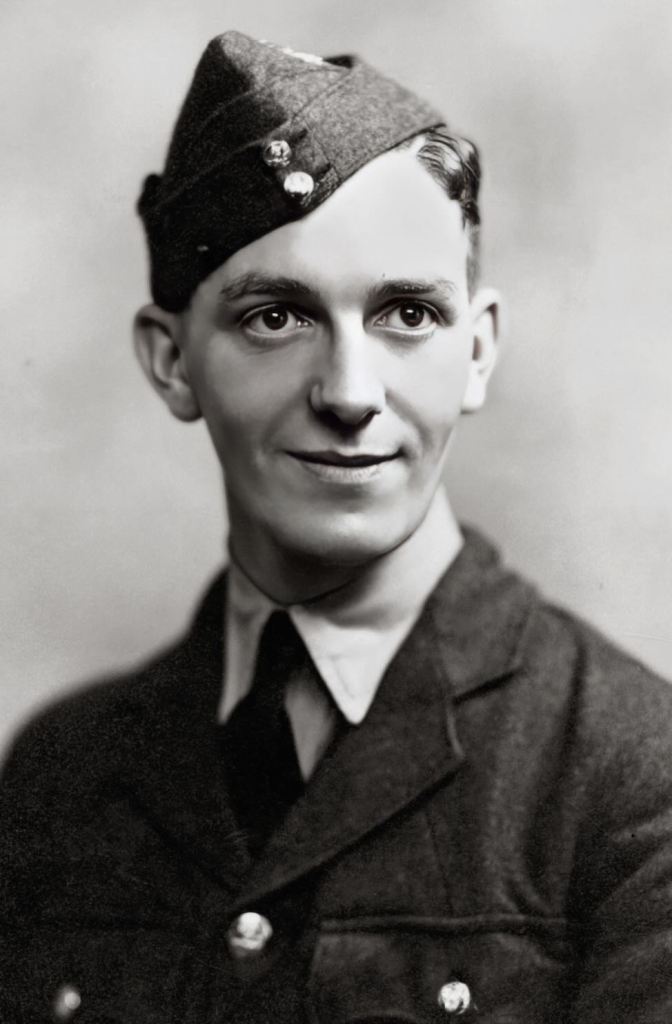
But I did not want simply to tell Hayter’s story. I wanted to reconstruct what actually happened.
As authors, Kosta and I set out to follow the raid from every possible angle. We tracked down Allied operational records, German Kriegsmarine reports, photographs and documents, and drew on the work and knowledge of fellow researchers and historians. We pieced together the sequence of events, checked details against independent sources and tried to understand what the men involved could actually have seen and known at each stage.

Source Vasilis Mentogiannis.
My own journey into the story began years after Manolis Bardanis discovered a Beaufighter wreck off Naxos in 2007 (see ww2stories article Naxos Beaufighter LX998). I came across an article by Vasilis Mentogiannis documenting the wreck, translated it into English for wreckhistory.com and it was shared online. I had no idea then that this simple act would set in motion a remarkable chain of events that would eventually lead me to the Hayter and Harper families, and ultimately to the writing of this book.
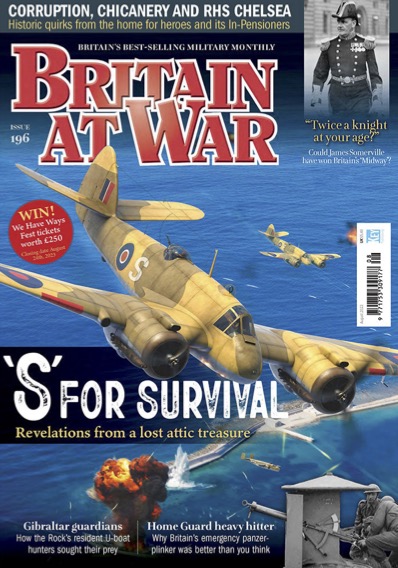
‘S’ for Sugar, ‘S’ for Survival, my resulting article, became the cover feature of the August 2023 issue of Britain at War, UK. The strong response from readers, followed by the discovery of Hayter’s 1945 Agenda, convinced me that the story was far from finished.
Then Kosta became involved.
Retired Hellenic Army Major and military historian Konstantinos Giannakos PhD brought an entirely different depth of knowledge to the project. His understanding of the Dodecanese Campaign, its military history and its landscape proved invaluable. Together, we began to explore the story from every direction.
When the time came to turn the research into a book, Pen & Sword immediately saw the potential of the project and shared our enthusiasm for bringing this forgotten story to a wider audience.
It was not an easy undertaking. Records were scattered, some documents were difficult to locate and many questions had no obvious answers. Persistence mattered. So did the kindness of people who had no obligation to help us. One remarkable example was Patricia Staunton, whose response to a seemingly obscure enquiry helped unlock a new strand of Hayter’s story and led to photographs and family material we could never have found through the archives alone.
For a while, it felt as though we were actually living in 1943. We were constantly surrounded by the names, places, aircraft, ships and documents of that world. We followed events that led up to the raid day by day, sometimes hour by hour, trying to see things through the eyes of the men who experienced them. The further we went, the more the research became a labour of love.
None of this could have happened without the many people who shared their knowledge, documents, photographs and memories with us. Above all, the generosity and trust of the Hayter family made the book possible. They opened their family archives and allowed us to bring their father’s long forgotten words back into the light.

Antonis Karidis.
What began with a lost wartime journal became something much larger: the reconstruction of a forgotten raid and, more importantly, the recovery of the people within it.
That is what I hope Beaufighter Strike achieves. Not simply another account of a WWII operation, but an opportunity to hear the voices of the men who were there, to understand what they faced and to glimpse, however briefly, the world in which they lived.
For me, that is the extraordinary privilege of writing history from the evidence left behind. You start with fragments, follow the clues and persist when the trail goes cold. If you are fortunate, there comes a moment when the past begins to feel almost present.
That was the experience of writing Beaufighter Strike.
Official records preserve history, but it is personal accounts that make us truly feel it.
Beaufighter Strike is available as of 30 September 2026.
Pre-order now via the Pen & Sword website and get a 20% Discount of the RRP.
Check out the new ww2stories.org YouTube channel WW2 Stories Media by clicking here (opens new window).
Delve Deeper
Your chance to learn more about this ww2stories.org story by delving deeper!
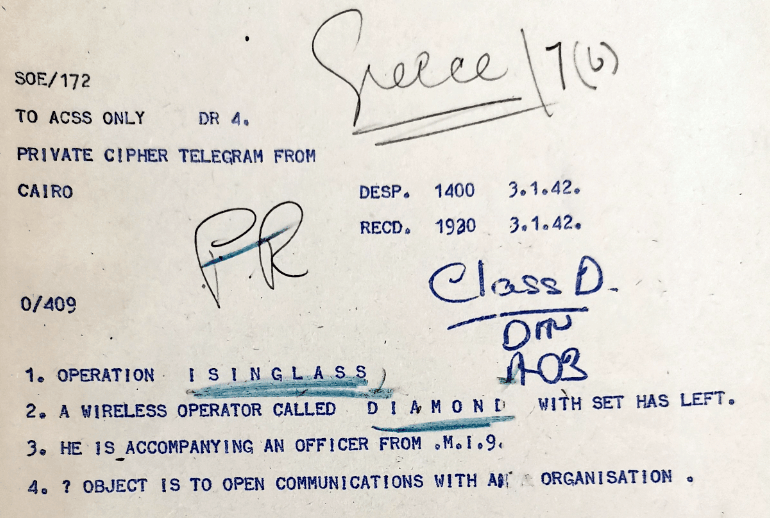
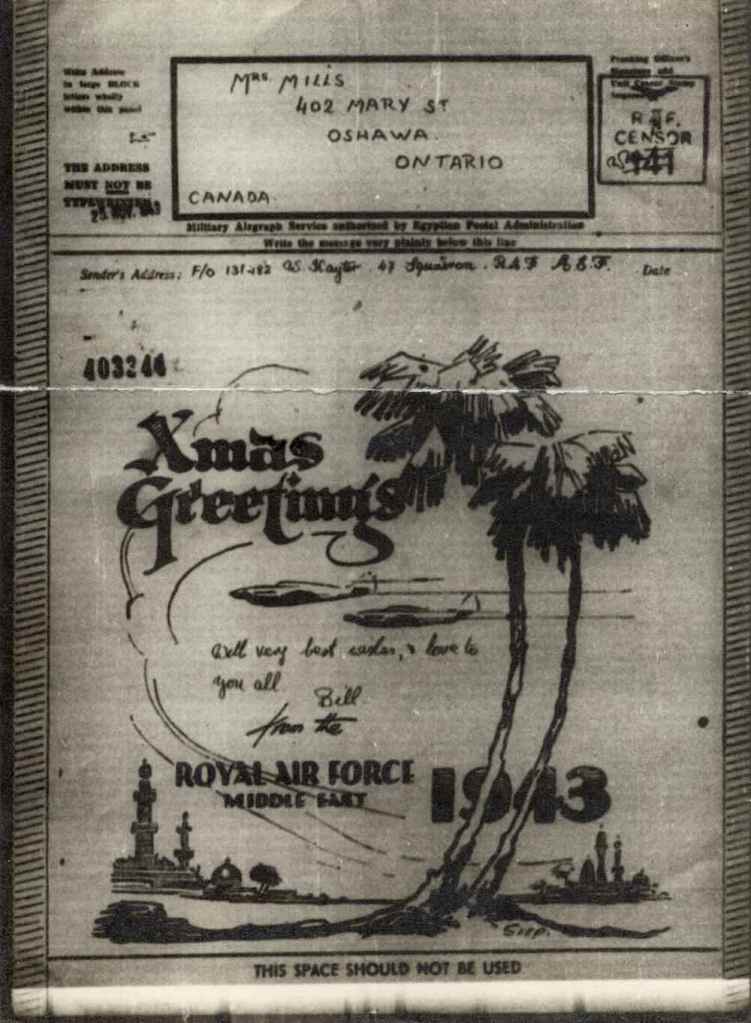
Some of the documents uncovered during research into the book, including Allied and German wartime records, helped us reconstruct the raid on Naxos and cross check Hayter’s account with the documentary record.

Source: AIR 27/464/30
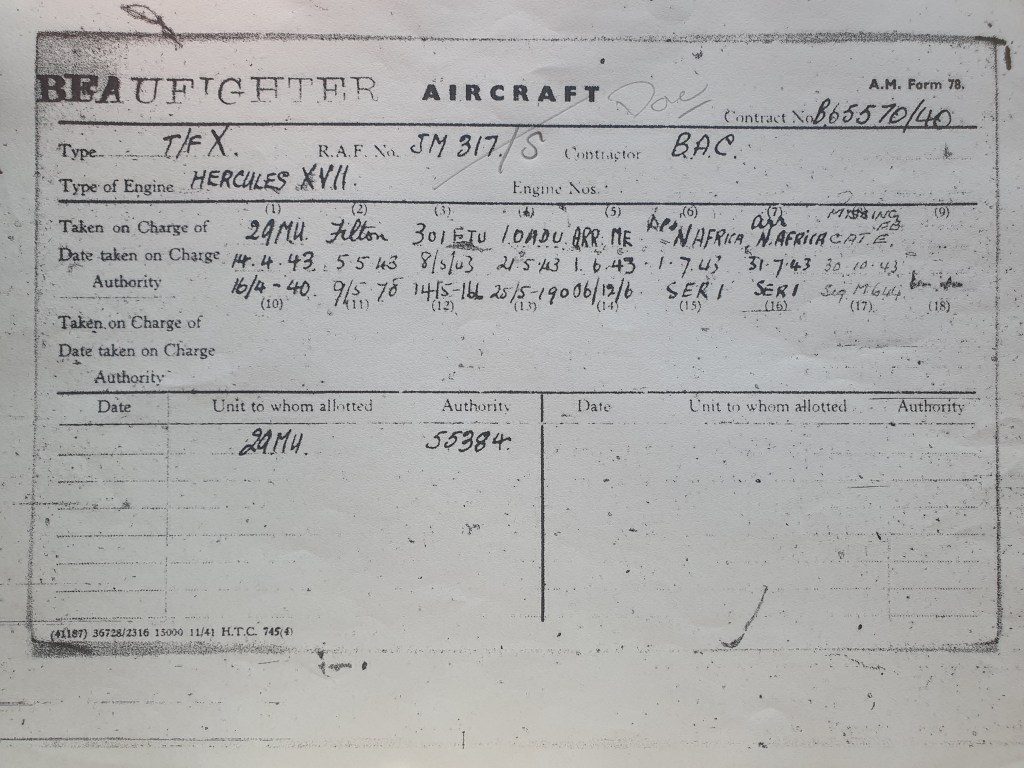
Source: Harper Family Archives
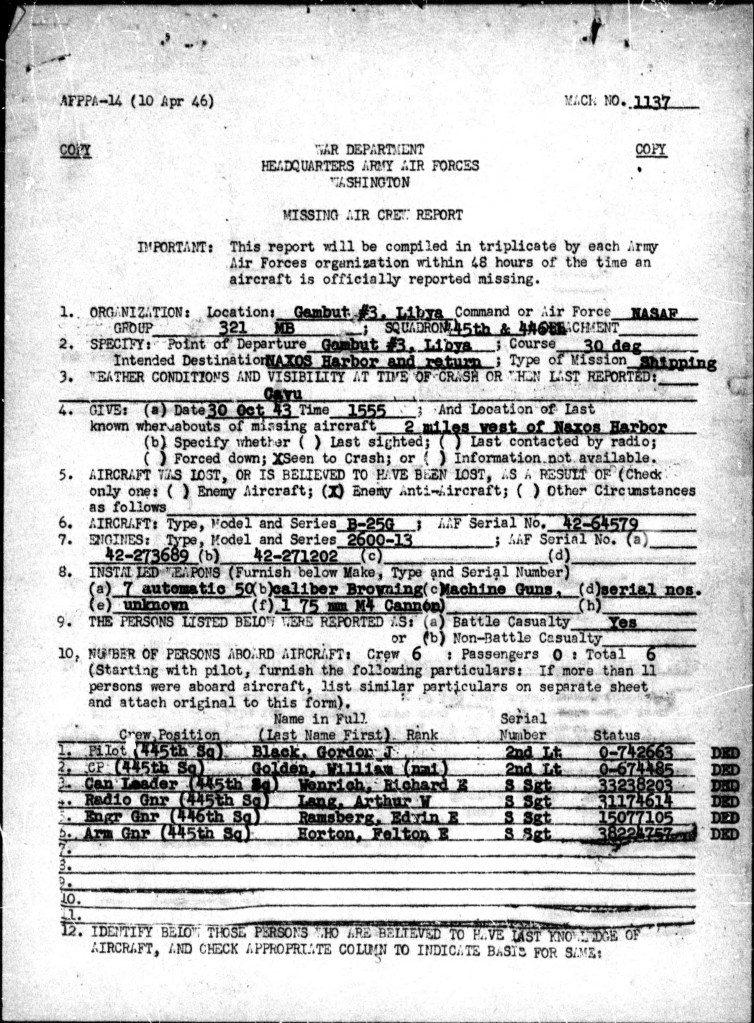

Source: Kriegstagebuch (KTB), Kommandierender Admiral Ägäis, October 1943, Dimitri Galon Archive

Source: The National Archives, Kew.
We value your opinion!
Your feedback is important to us. If you enjoyed this article and would like to see similar content, show your appreciation by clicking the ‘Claps’ icon below. Also, ensure you stay up-to-date with our latest articles by subscribing to our Newsletter. You’ll receive new posts directly to your email inbox. Thank you for your support!
‘History has to be shared to be appreciated’
It’s FREE! Subscribe to our Mailing List. We’ll keep you in the loop.
Link to ww2stories.org home page: Return