A rescue mission that exposed a Secret War
– A ww2stories.org Exclusive –
In January 1942, a small band of fugitives on a remote Greek island waited for a submarine to return. They had no idea that the mission behind their escape was already beginning to unravel, or that one man’s notebook would have devastating consequences for Britain’s fledgling Secret War in Greece. Ross J. Robertson and Military Historian Konstantinos Giannakos investigate.
For three nights, men hiding on the Greek island of Antiparos stood on the coast and flashed a torch into the darkness, waiting for a submarine that never came. They had every reason to believe HMS Triumph would be there. The rendezvous had been arranged in advance. The submarine was due back on 9 January 1942 after completing a combat patrol, and her arrival represented the fugitives’ only realistic hope of escape.
But Triumph had already disappeared.
Her loss would remain a mystery for more than 80 years. The submarine, carrying her entire crew, had vanished somewhere in the Aegean. Those waiting on Antiparos had no idea that they were signalling for a submarine that was already lying wrecked on the seabed.
Their ordeal was the disastrous end of Operation Isinglass, an ambitious mission that had begun just two weeks earlier.
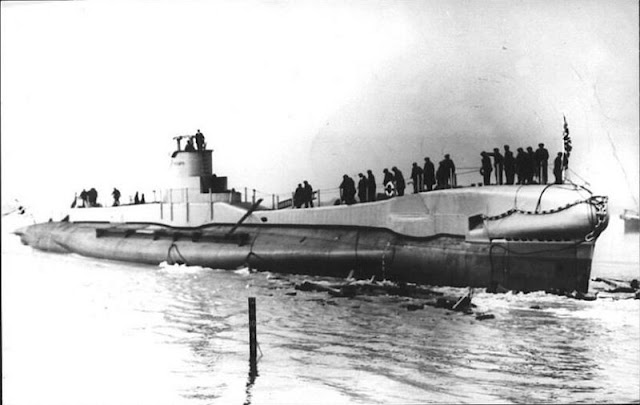
On 26 December 1941, Triumph, commanded by Lieutenant John S. Huddart, RN, was preparing to return to Britain for a long overdue refit after 20 combat patrols. Instead, she was diverted to an urgent operation involving MI9, the British organisation responsible for escape and evasion, and the Special Operations Executive (SOE).
Her task was to land Lieutenant John G.P. Atkinson, Lieutenant James ‘Jim’ Craig and the Greek wireless operator Diamantis Arvanitopoulos [nom de guerre Konstantinos Kypriadis, SOE codename Diamond] on Antiparos. Atkinson and Craig were both escaped prisoners of war who had already demonstrated their ability to move men out of occupied Greece. Their new mission, however, went well beyond rescue.
The British wanted to use Atkinson’s existing contacts with the Greek resistance to deliver money, establish wireless communications and encourage rival organisations to cooperate. Most importantly, they hoped to bring Professor Panagiotis Kanellopoulos, a respected moderate politician, into the Greek government in exile in Egypt.
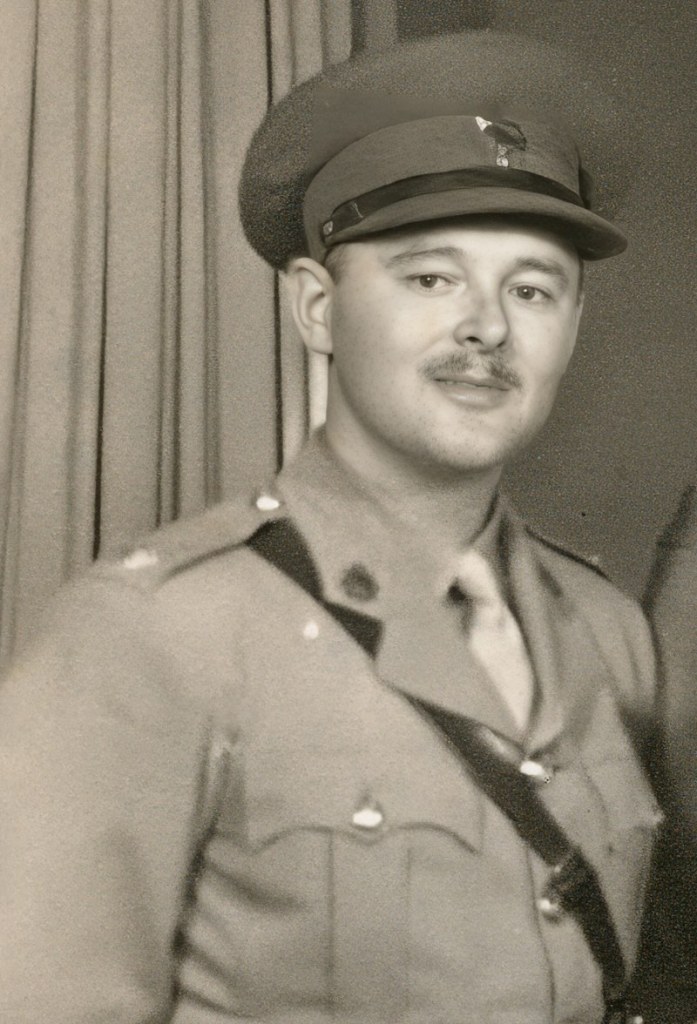
Source Robyn Molloy
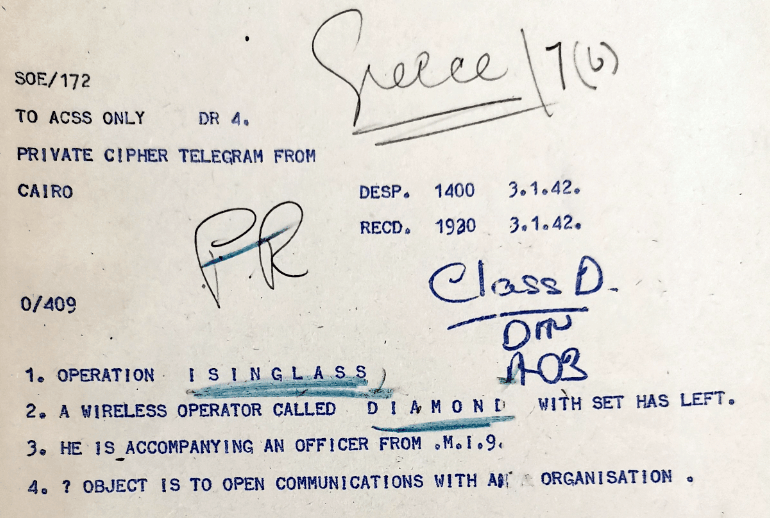
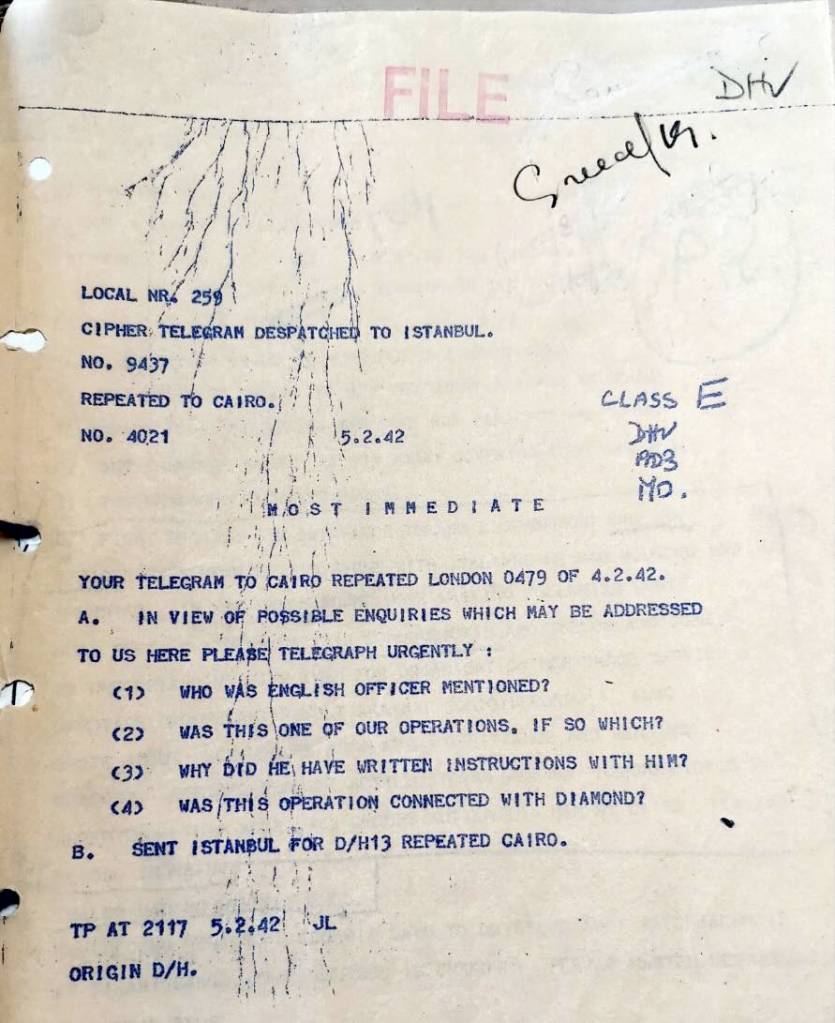
A secret telegram later described the political purpose of Isinglass. It was intended ‘to provide W/T [wireless telegraphy] and cash for Sugar [Major Tselos] and Cuthbert [Kanellopoulos]’ and to send a message urging the two organisations ‘to unite’.
The mission had therefore placed a considerable amount of British intelligence, political influence, and resistance activity in the hands of a small group operating deep inside occupied Greece.
THE WARNING SIGNS
Months earlier, the first cracks had already begun to appear in the escape network.
During an earlier escape operation, the Greek caique captain Ioannis ‘Harry’ Grammatikakis had helped Atkinson and Craig reach Allied territory. He was brave and useful, but his judgement was increasingly questionable. Craig remembered that, before their first return to Greece, Grammatikakis had discussed ‘what he was doing’ over dinner while a waiter stood nearby. The submarine commander, Huddart, eventually had to tell him ‘to be quiet, and to stop talking’.
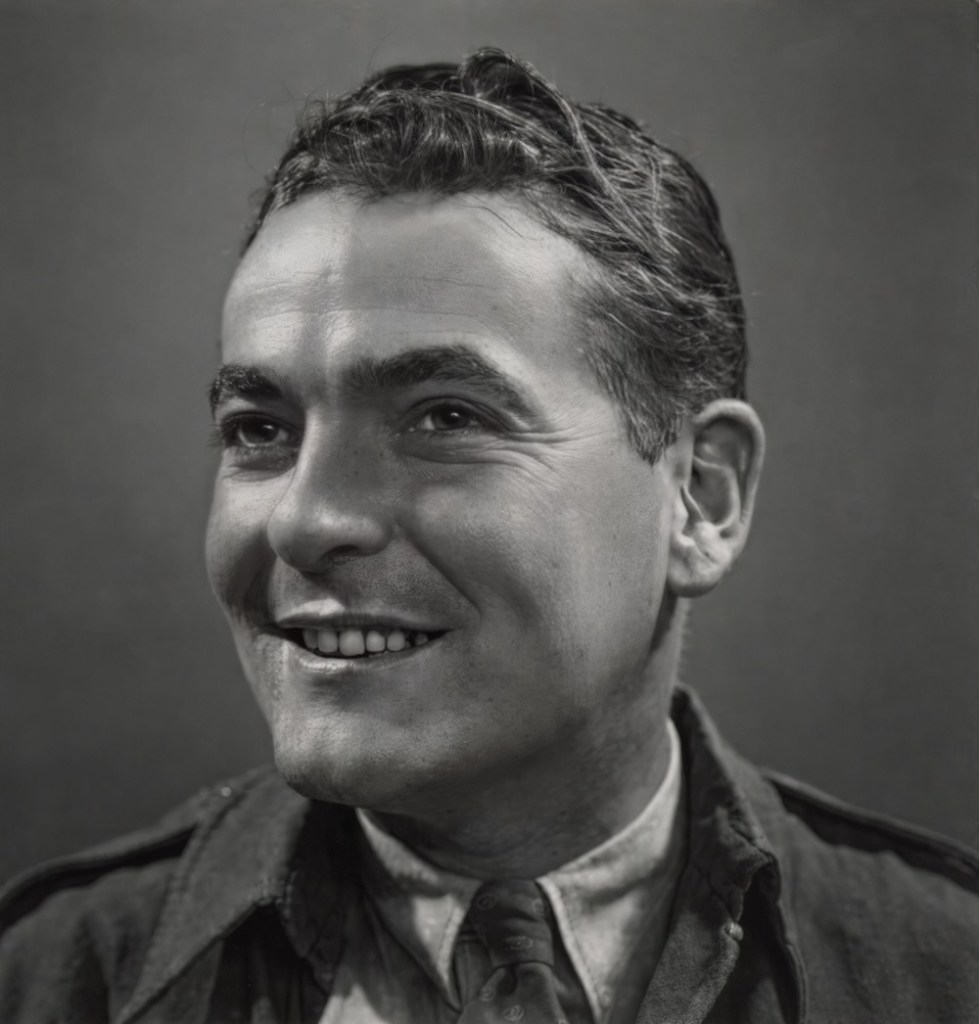
Source: Robyn Molloy
On Antiparos, Grammatikakis disappeared for four days before returning with a caique and the necessary papers. Later, he was accused of boasting on Paros that he ‘had landed by a British submarine with British soldiers’.
His personal entanglements made matters worse. A woman he had abandoned ‘and left in a certain condition’ threatened to expose British activity unless he married her. The Italian authorities were eventually alerted, and Antiparos was searched.
Yet the escape network survived.
When Triumph arrived at Antiparos on the night of 29 December, 23 evaders were already there. They expected to be taken aboard. Huddart refused. Triumph still had a combat patrol to complete, and taking so many additional men would have endangered the submarine.
The disappointed evaders were forced to remain on the island.
It was a decision that would have extraordinary consequences.
THE ITALIAN ATTACK
By the first week of January, the situation was becoming desperate. Atkinson was anxious to reach Athens, while Grammatikakis had disappeared once more, taking their remaining funds with him. Atkinson and Craig were increasingly at odds over what to do next. Atkinson argued that they could meet the Italians ‘by force of arms’. Craig strongly opposed the idea, believing that the party should withdraw from the island and avoid any confrontation with the enemy.
Craig regarded the proposal as ‘brainless’. They were not a fighting force, he insisted, and should ‘avoid the enemy at all costs’. Eventually Atkinson agreed to withdraw.
However, the Italians struck first.
At about two o’clock on the morning of 6 January, 18 soldiers surrounded the safe house. Craig took up position behind a door with his Thompson submachine gun. When an Italian officer opened the door and shone his torch inside, Atkinson fired his Colt .45.
Lieutenant Carlo Ribolzi was hit in the chest.
The Italians fled, but the fight continued. Grenades exploded inside the house, smashing the windows and throwing Redpath to the floor. ‘I came to, on the floor, and saw Atkinson getting through the window. I followed, and then Craig,’ he later recalled.
The survivors escaped into the darkness.
ATKINSON IS CAPTURED
Atkinson, however, had been badly wounded. He was eventually captured on 11 January.
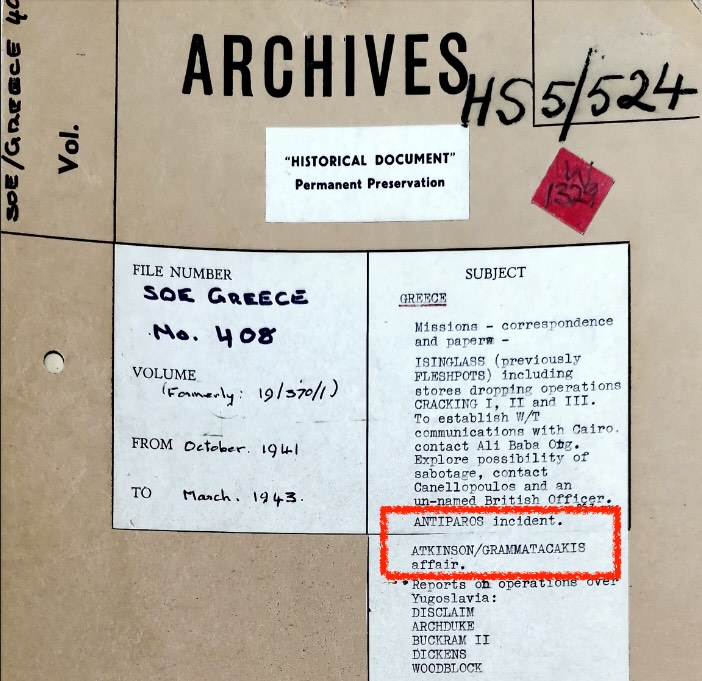
Source: The National Archives (TNA)
That capture transformed a failed rescue into an intelligence disaster.
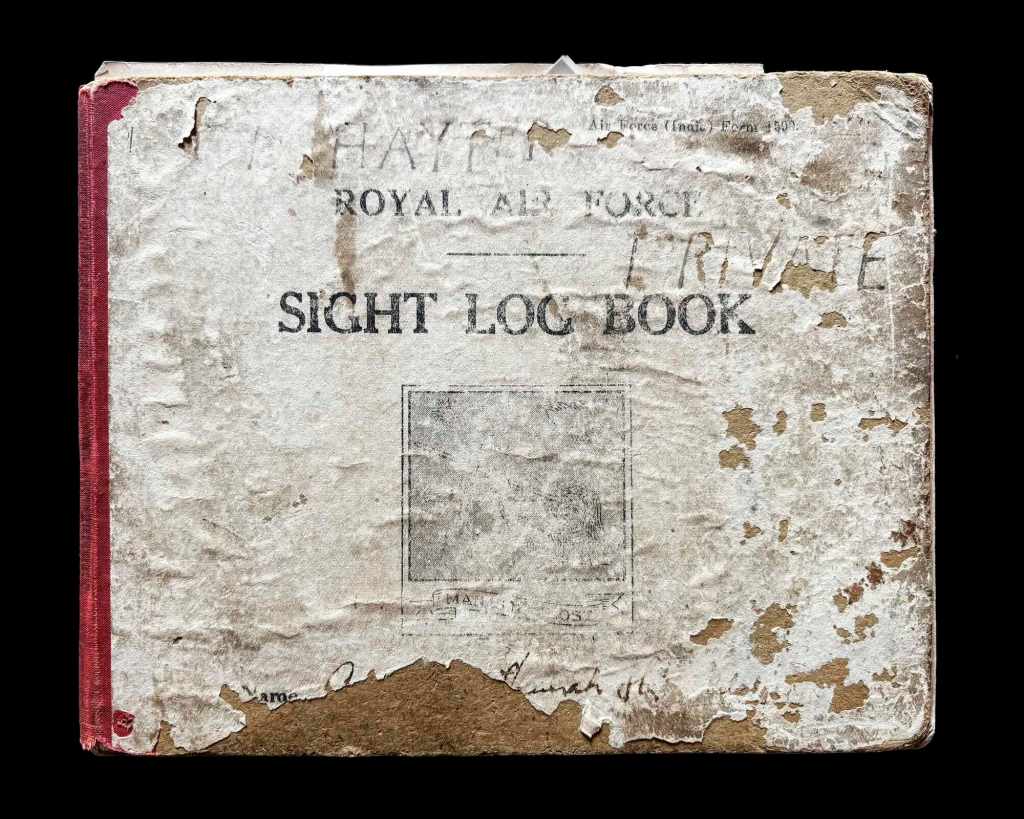
Atkinson was carrying an aide mémoire that he had been explicitly ordered to destroy before leaving the submarine. It contained vital information about the people he was supposed to contact, including names and pseudonyms written in plain English.
A later SOE telegram recorded the failure with grim understatement:
‘HAD WITH HIM AIDE MEMOIRE WITH STRICTEST INSTRUCTIONS TO DESTROY THIS BEFORE LEAVING SUBMARINE.’
The Italians now had a map into the fragile network that Britain had been building in Greece.
Arrests followed, and the damage spread rapidly through the network. Contacts, resistance figures and British intelligence assets were compromised, including Professor Kanellopoulos, the very man Isinglass had hoped to bring into the Greek government in Egypt.
Meanwhile, those still hiding on Antiparos waited for Triumph.
On three successive nights they went to the coast and flashed the agreed signal. Nothing answered.
They did not yet know that on 9 January, while returning to collect them, Triumph had been lost with all hands.
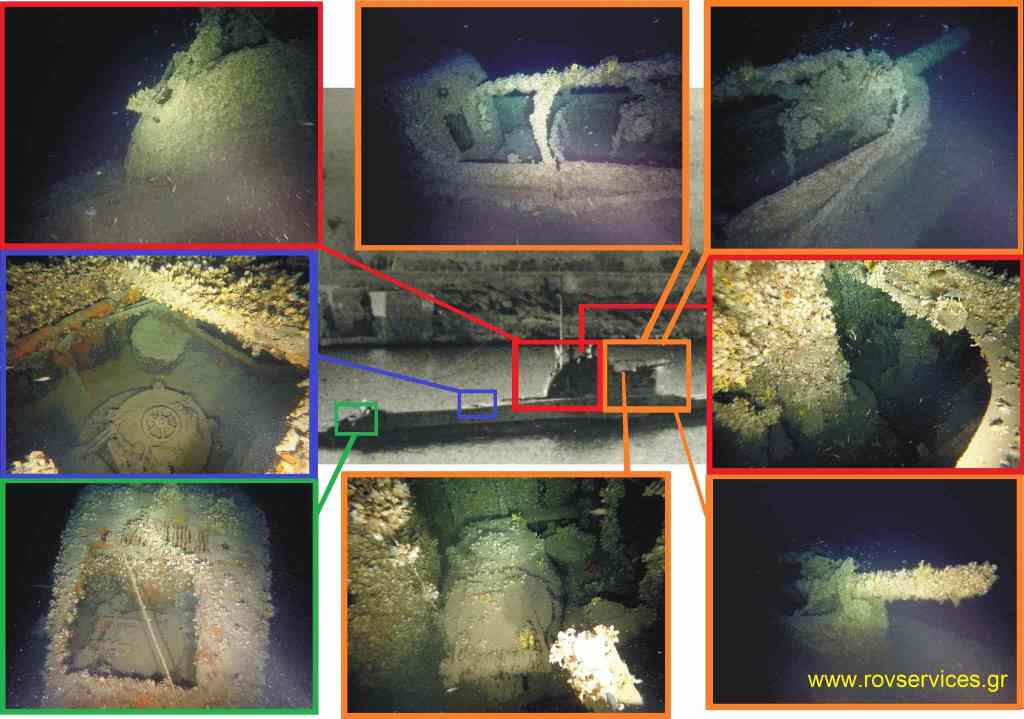
The submarine was not found until 2023, when commercial diver and historian Kostas Thoctarides located the wreck at a depth of 666 feet (203 m). The evidence indicated a catastrophic loss, probably involving an Italian mine and an armed torpedo.
THE FATE OF THE MEN ON ANTIPAROS
The men on Antiparos survived for several more days. Starvation, cold and betrayal eventually overcame them. By 17 January, every member of the party, including Craig and Redpath, had been captured.
ATKINSON’S FATE
Atkinson’s own fate was no less tragic. Badly wounded when he escaped the Italian attack on Antiparos, he spent almost a year in Italian custody. His possession of the aide mémoire and the information it contained became central to the case against him.
Eventually brought before an Italian military court in Athens, he was charged with espionage and with the killing of Lieutenant Carlo Ribolzi during the Antiparos firefight. Convicted and sentenced to death, Atkinson was shot at the Kaisariani shooting ground in February 1943.
There was a final twist of fate.
While Atkinson was still in captivity, his earlier courage during the escape operation that had first brought him to Greece was recognised with the award of the Military Cross. The London Gazette subsequently recorded him as ‘Lieutenant John George Patterson Atkinson, M.C., Royal Army Service Corps’.
The decoration came too late to save him. A man who had been honoured for helping others escape would himself die in front of an Italian firing squad, less than a year after the operation that had brought him back into occupied Greece.
THE FINAL CONSEQUENCE
Operation Isinglass had begun with the hope of rescuing men and strengthening resistance. Instead, it ended with the loss of a submarine and her crew, the capture of its principal operative and the exposure of a network that was still in its infancy.
Most seriously of all, Atkinson’s notebook had handed the Italians the means to penetrate the fledgling SOE activities in Greece, severely compromising the people, contacts and organisations upon which Britain’s covert campaign depended.
What had been conceived as a bold attempt to establish a Secret War in occupied Greece had become a devastating setback. The men on Antiparos had been rescued by neither the submarine nor the operation, and the fragile network Isinglass was meant to strengthen had been left dangerously exposed. The Aegean had swallowed Triumph and her crew. The Italians had taken the secrets. And for SOE, the clandestine war in Greece had scarcely begun when its foundations were already shaken to their core.
For more on the loss of HMS Triumph, see the ww2stories articles Finding HMS Triumph, HMS Triumph’s Last Day, Part 1 and HMS Triumph’s Last Day, Part 2.
Check out the new ww2stories.org YouTube channel WW2 Stories Media by clicking here.
We value your opinion!
Your feedback is important to us. If you enjoyed this article and would like to see similar content, show your appreciation by clicking the ‘Claps’ icon below. Also, ensure you stay up-to-date with our latest articles by subscribing to our Newsletter. You’ll receive new posts directly to your email inbox. Thank you for your support!
‘History has to be shared to be appreciated’
It’s FREE! Subscribe to our Mailing List. We’ll keep you in the loop.
Link to ww2stories.org home page: Return